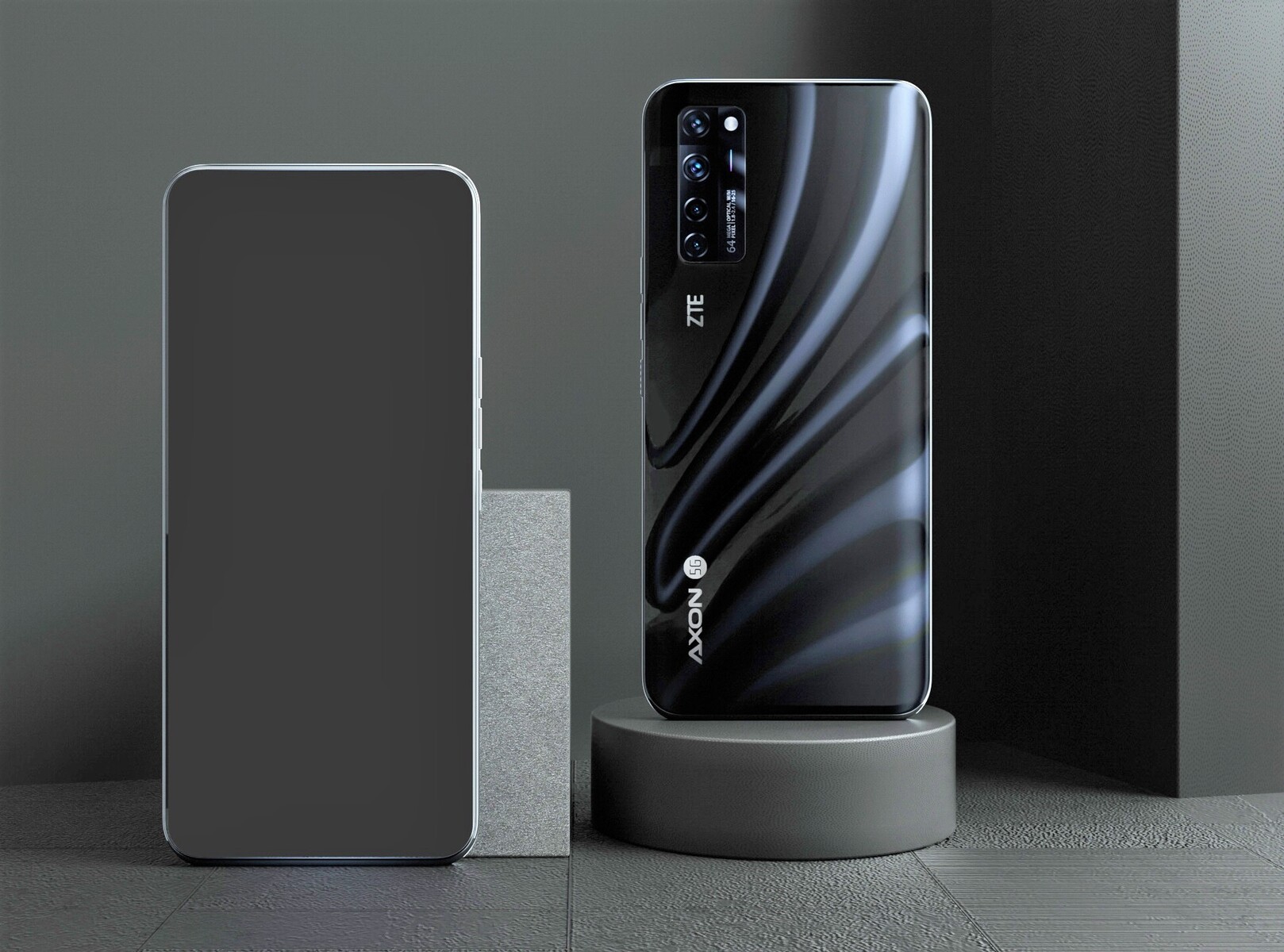
ZTE lanseaza primul telefon cu o camera selfie incorporata in ecran


Asa cum a promis acum ceva timp, ZTE a anuntat ca va lansa primul smartphone din lume cu o camera selfie in ecran. Numele acestuia este ZTE Axon 20 5G si, desi este un telefon mid-range, promite sa aduca o inovatie in domeniul sau.

Compania chineza a declarat ca sub display-ul acestui telefon se afla o camera de 32 de megapixeli, iar pentru a fi posibila folosirea ei, a fost folosit ,,un material de inalta transparenta amestecat cu noi filme organice si anorganice'' si desigur, un nou software.


Telefonul este echipat cu un Snapdragon 765G, ceea ce-i permite sa aiba doar 7,98 mm grosime, iar pe langa asta, este capabil de conexiuni 5G. Are o baterie de 4,220 mAh si un ecran OLED de 6,92 inchi. Acesta are si un senzor de amprenta in ecran.

Pe spate, Axon 20 5G este dotat cu un senzor primar de 64 megapixeli, un senzor ultrawide de 8 megapixeli, un senzor de adancime (folosit pentru a crea efectul de bokeh/blur) de 2 mp si senzori macro.

Noul model ZTE este deja valabil pentru comanda in China la pretul de 320 USD, iar in restul lumii nu se stie deocamdata nimic.

Personal, sunt foarte curios sa vad cum va evolua aceasta noua tehnologie si cat de popular va deveni sa ai un telefon cu o camera selfie bagata in ecran. De asemenea, ma intreb daca Apple se va folosi de aceasta inovatie pentru a reduce marimea notch-ului de pe noile iPhone-uri. In orice ce caz, nu uitati sa lasati un comentariu cu parerea voastra despre acest telefon si sugestii pentru viitoarele articole. De asemenea, ma puteti urmari si pe Instagram (alex.photo.editor) daca va place ce postez acolo si nu uitati sa dati subscribe la acest blog pentru a fi la curent cu cele mai noi articole pe care le postam. A, da! Nu uitati ca puteti intra si in noul nostru grup de pe Telegram daca doriti sa fiti a curent cu cele mai noi articole pe care le postam si sa ne dati sugestii pentru viitoarele articole sau sa vorbiti cu ceilalti membri! (link in pagina Contact us)

Comments

Popular

[EN] Shutter speed: what it is, how you use it and what it helps you with

Hello! As I promised you last time, today I will talk to you about what shutter speed is and how you can use it in producing the most creative pictures. Let's begin! What is the shuter? In order to talk about shutter speed we must first know what a shutter is. The shutter is the mechanical part of the device that controls the exposure time of the sensor to light. It can be likened to a curtain that opens for a time set (automatically) by the device or user.                                     Slow-motion video in which you can see how the  shutter closes at different speeds What's the shutter speed? The shutter speed represent the time in which the sensor receives the light and the picture is taken. As I said above, the exposure time can be set automatically by the camera or it can be set manually by you. How does exposure time affect photos? As I said, the shutter speed is the amount of ...

Google Drive: vulnerabilities found and how it can infect your devices with malware

[EN] Aperture and diaphragm: what they are and how to use them

Hi! If you're new to photography, you're probably trying to learn a theory just because you don't know where to start. In this article I will explain what the aperture and diaphragm are, and in the next 3 articles I will tell you about ISO, shutter speed and exposure triangle (how to harmonize these 3 basic pillars of photography). Let's begin! What is the aperture? The aperture is, technically, the hole through which light passes to the sensor of the device. Basically, the aperture controls how accentuated the bokeh effect (blur) is and/or if it exists. Most of the time you will hear photographers telling you, "Shrink the aperture a little!" Instead of "Shrink the diaphragm a little!" In principle, these two do the same thing. What is the aperture and diaphragm? The diaphragm is the one that controls the amount of light that enters through the lens. It is made up of blades and works on the same principle as the iris (when there is a lot of light, t...